
Tips & Articles

Learn what makes structural repairs costly, how contractors determine pricing, and what Hershey homeowners should expect when addressing major home issues.
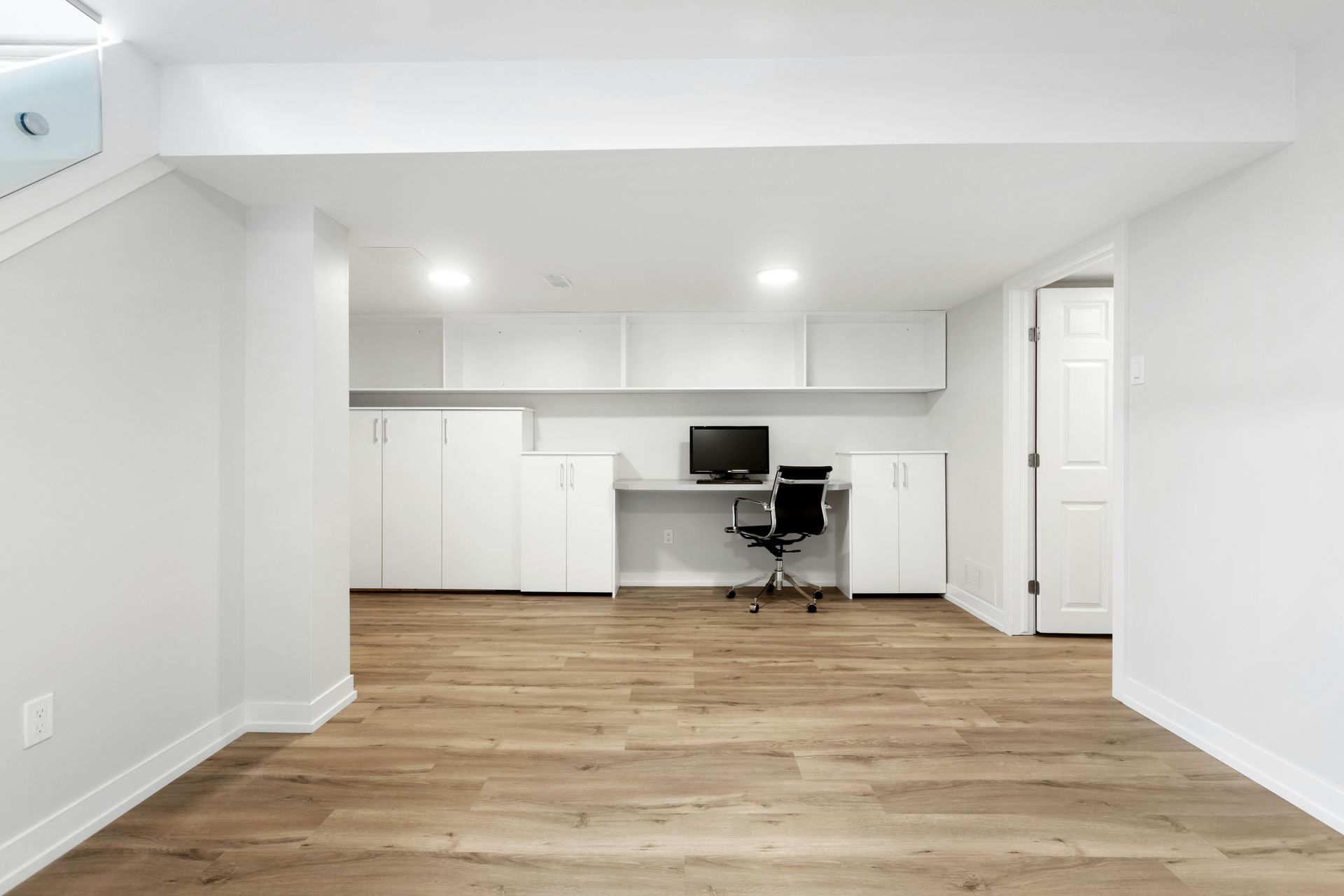
Learn what drives whole-home renovation costs in Hershey and how general contractors price major upgrades, materials, timelines, and structural changes.
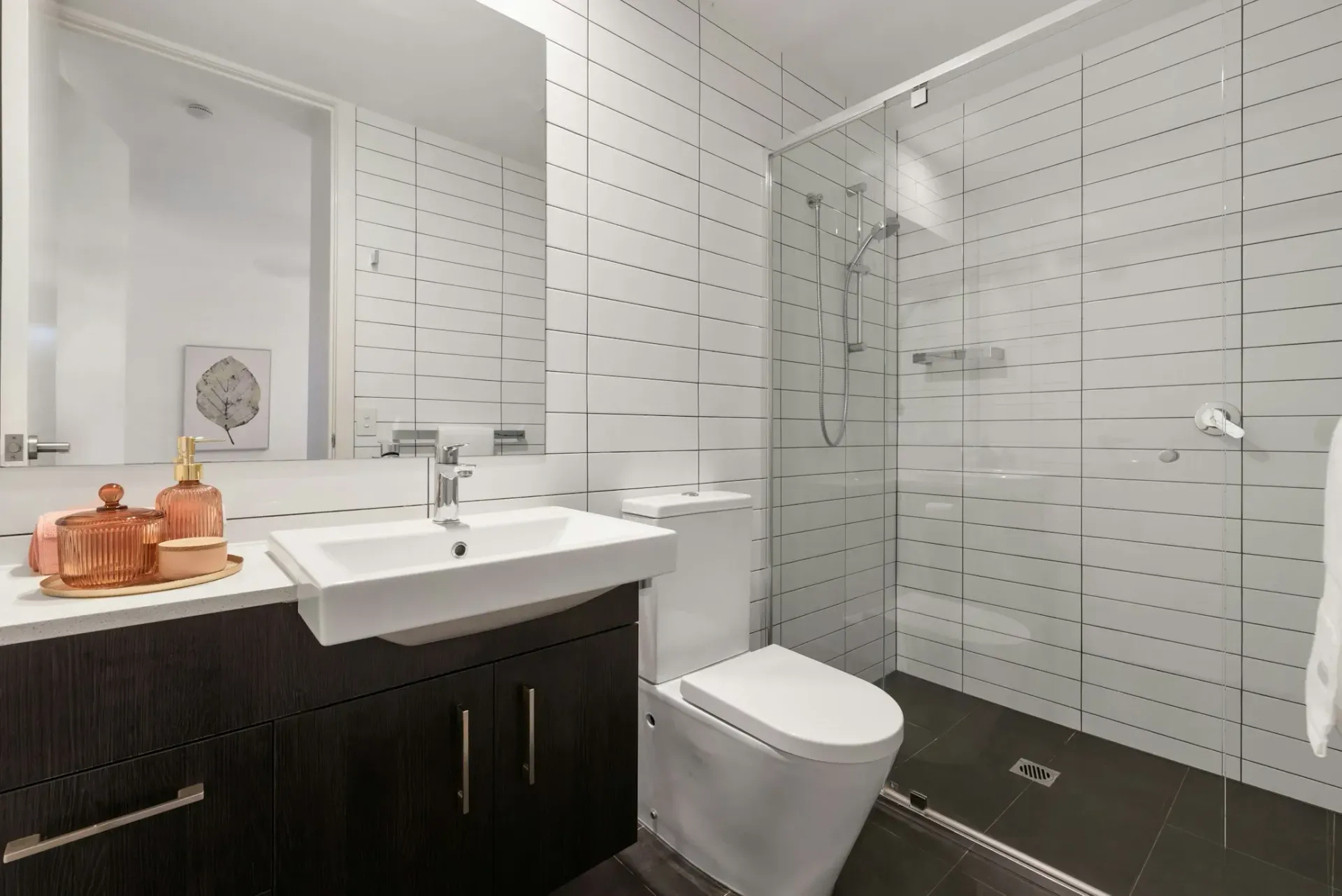
Discover the hidden costs homeowners often overlook in Hershey renovations and learn how unexpected issues impact project budgets and timelines.
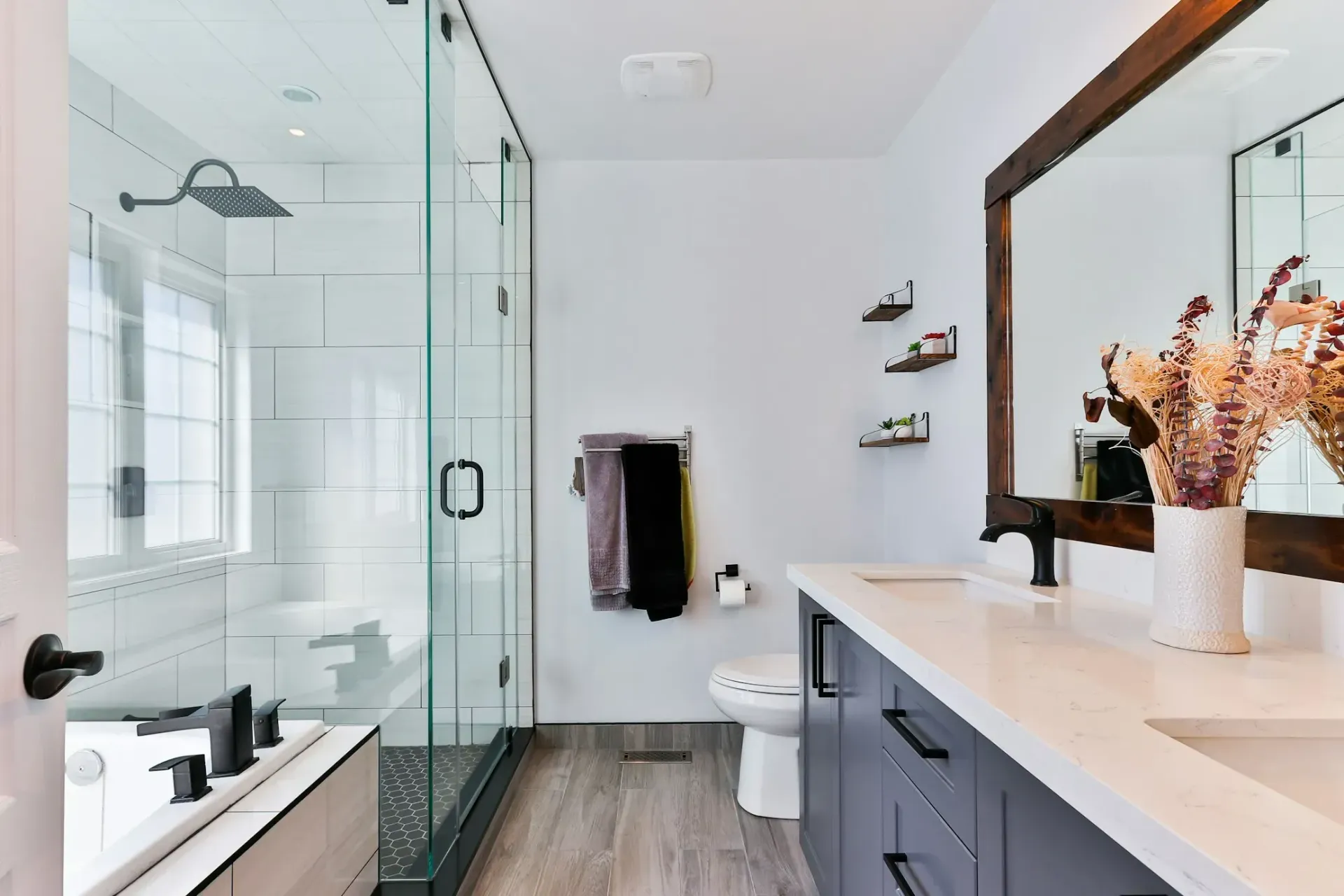
Discover how material choices impact contractor pricing in Hershey, including installation needs, supply factors, labor difficulty, and long-term durability.
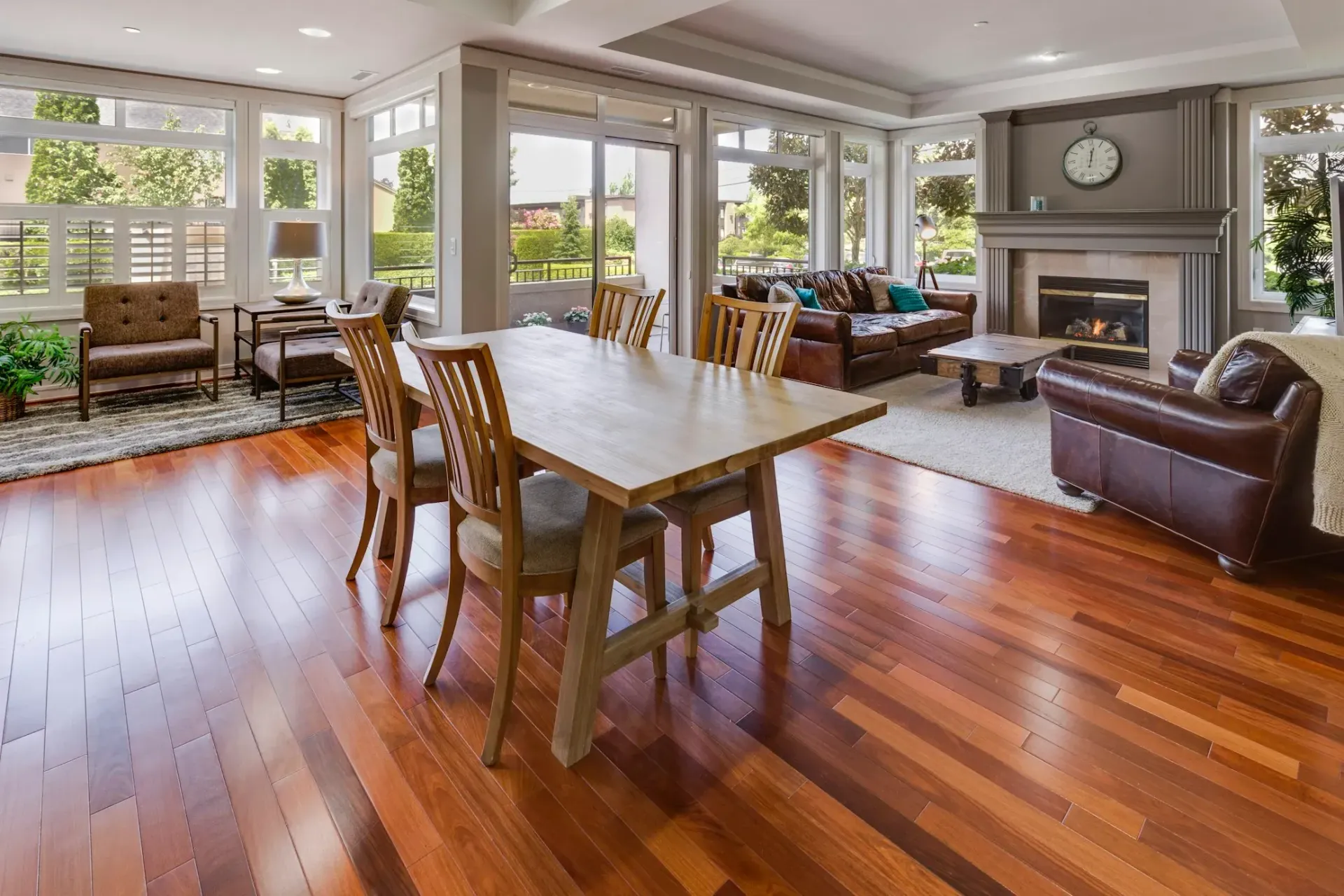
See what it costs to fix floors, walls, ceilings, and doors in Hershey homes and how contractors diagnose and repair common interior problems effectively.
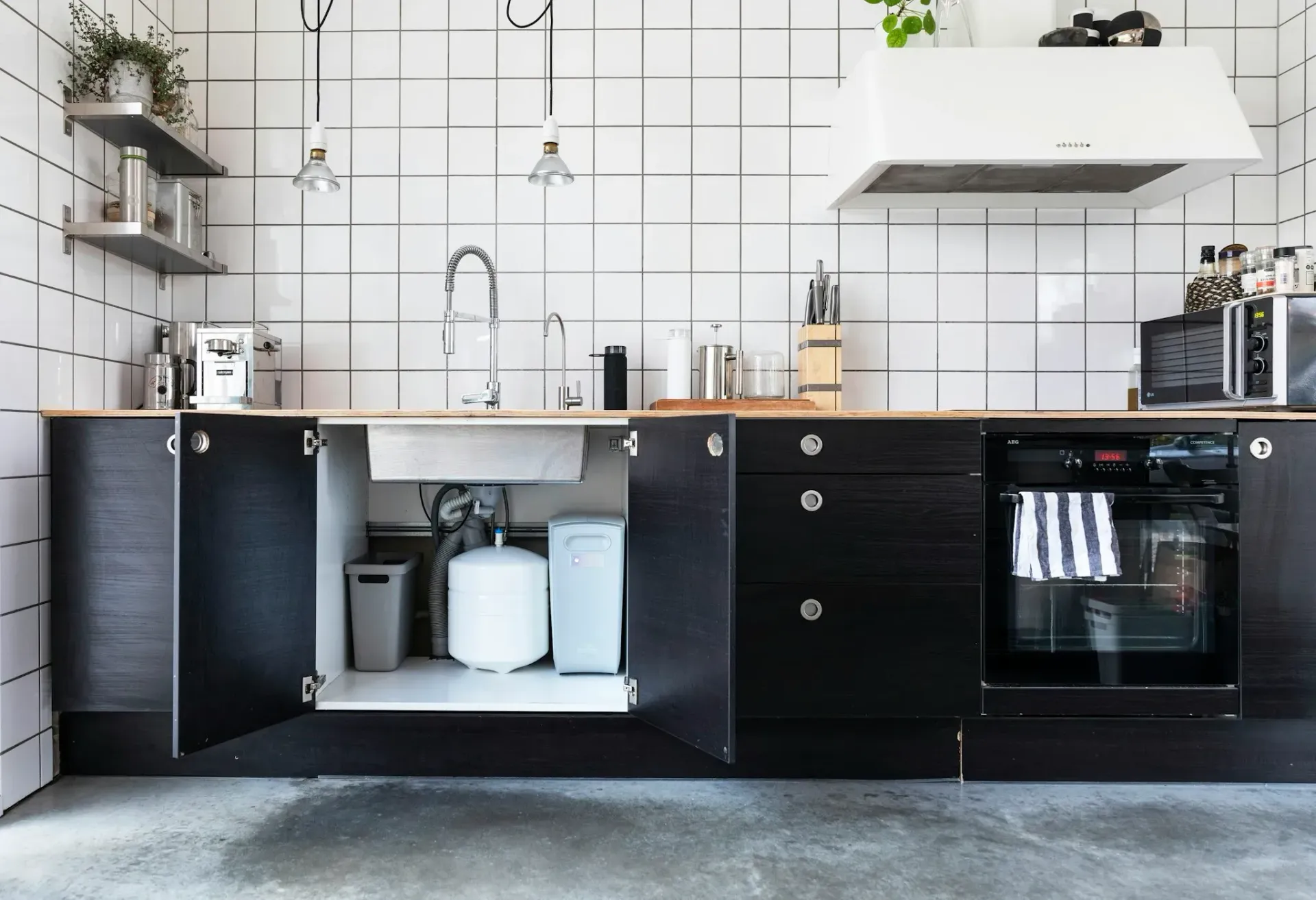
Learn how permit costs work in Hershey, which projects require them, and how general contractors handle approvals to keep renovations safe and compliant.
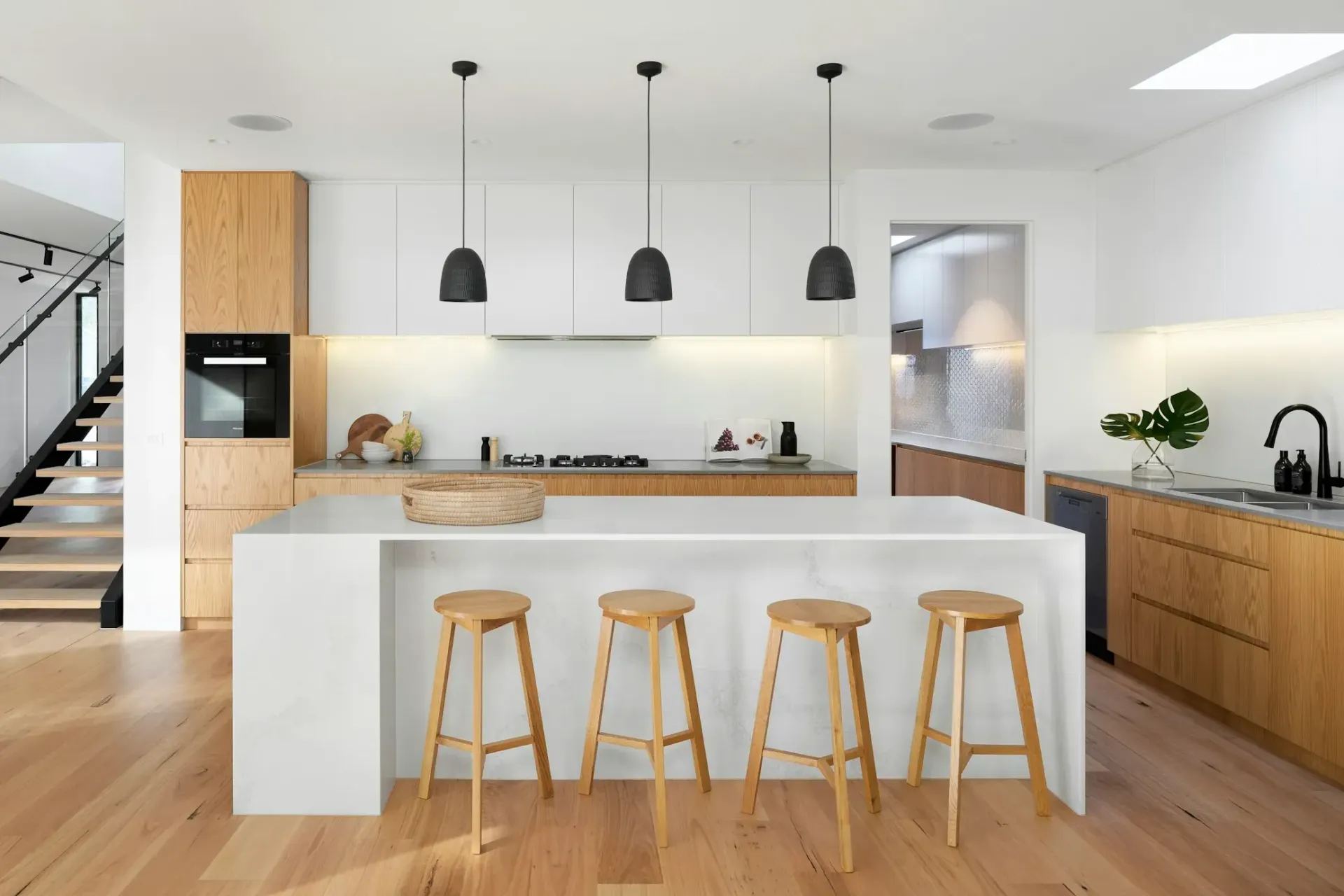
Learn what contractor markup and management fees cover and how they support efficient, well-managed renovation projects for homeowners in Hershey, PA.
Hershey homeowners can explore 2025 general contractor costs, factors that shape pricing, and how to plan realistic renovation budgets.
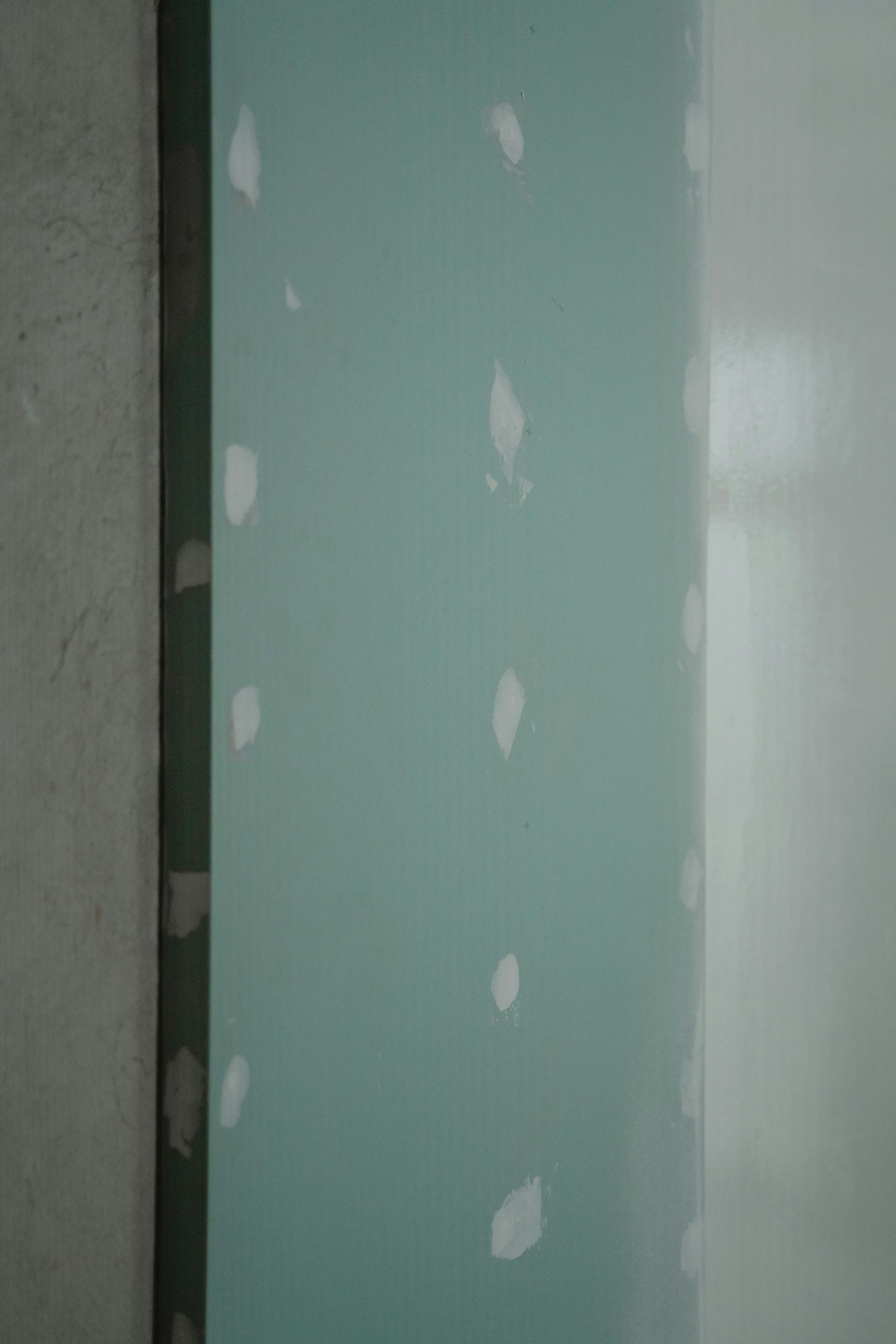
Those tiny lines creeping across your ceiling or wall might seem like just a cosmetic issue – something you can cover with a bit of paint or simply ignore. But small drywall cracks can actually be warning signs of bigger problems happening behind your walls or in your home's foundation. Ignoring small drywall cracks can lead to serious structural damage, water infiltration, mold growth, increased energy costs, and decreased property value. What starts as a hairline crack can quickly expand, allowing moisture to seep in and creating ideal conditions for mold and mildew that threaten your family's health. Understanding the causes of these small cracks and knowing when they signal serious trouble can save you thousands in repair costs down the road. This guide will help you identify the types of drywall cracks you should never ignore and explain when it's time to call in professionals to address the underlying issues. Why Small Drywall Cracks Appear Normal Settlement Cracks Not all drywall cracks signal disaster. Homes naturally settle over time, causing minor stress cracks in drywall. These typically include: Hairline cracks at wall and ceiling corners Straight cracks running along drywall seams Small nail pops where fasteners have worked loose These normal settlement cracks usually appear within the first year after construction and are generally not cause for alarm. Warning Sign Cracks Other types of cracks deserve immediate attention: Stair-step cracks (zigzag patterns) often indicate foundation shifting Horizontal cracks in walls may signal serious structural pressure Cracks wider than 1/8 inch suggest significant movement Cracks that continue to grow over time Cracks accompanied by a bulging wall or ceiling Common Causes of Problematic Drywall Cracks Several factors contribute to the more serious types of drywall damage: Foundation Issues Foundation problems are among the most serious causes of wall cracks. Signs include: Doors that stick or won't close properly Cracks that appear near window and door frames Sloping or uneven floors Cracks that appear on multiple walls Water Damage Water is drywall's worst enemy. Even minor leaks can lead to: Discolored cracks with yellowish or brownish stains Bubbling paint near the crack Soft spots in the drywall Musty odors near the damaged area Structural Problems Issues with your home's frame or support system may cause: Wide cracks that appear suddenly Cracks near load-bearing walls Sagging ceilings with cracks radiating outward Cracks accompanied by creaking sounds Hidden Dangers Behind Those Small Cracks Structural Damage Progression What begins as a hairline crack can eventually compromise your home's integrity: Small cracks allow moisture penetration into wall cavities Moisture leads to rotting wood in structural members Weakened structure creates more pressure on drywall This creates a dangerous cycle of worsening damage Health Hazards Cracks provide perfect entry points for moisture, leading to: Mold growth behind walls or ceilings Respiratory problems for family members Allergic reactions and worsened asthma symptoms Poor indoor air quality Energy Efficiency Problems Even small cracks affect your home's environmental seal: Cracks create air leaks that drive up heating and cooling costs Drafts make your HVAC system work harder Increased humidity makes cooling more difficult in summer Cold spots near walls in winter Pest Infestation Risks Tiny cracks provide entry points for unwanted guests: Insects can enter through cracks as small as 1/16 inch Mice can squeeze through spaces as small as 1/4 inch Once inside, pests can cause additional damage to insulation and wiring Pest waste creates health hazards and unpleasant odors When to Take Action: Types of Cracks That Demand Attention Cracks That Signal Foundation Problems Foundation issues are among the most serious and expensive to repair. Watch for: Horizontal cracks in basement or foundation walls Stair-step cracks in brick or block walls Cracks wider than 1/8 inch Cracks where the wall meets the ceiling Cracks accompanied by a tilting chimney or leaning walls Cracks That Indicate Water Damage Water damage can quickly lead to mold growth and structural deterioration. Look for: Cracks with discoloration or staining Cracks that appear after heavy rain Cracks in bathrooms, kitchens, or laundry areas Cracks accompanied by peeling paint or bubbling wallpaper Recurring cracks that return after repairs Cracks That Suggest Serious Structural Issues Some cracks warn of problems with your home's framework or support system: Multiple parallel cracks in the same area Cracks that extend across walls and ceilings Cracks near load-bearing walls Cracks accompanied by sloping floors or stuck doors Widening cracks that expand over time DIY Assessment: Is It Time to Call a Professional? Simple Tests You Can Perform Before calling professionals, try these quick assessments: Mark the ends of cracks with a pencil and date them to track growth Place a coin in horizontal cracks – if it fits, it's time for professional help Check for drafts near cracks using a lit candle (held safely away from curtains or flammable items) Tap the wall near cracks – a hollow sound may indicate loose drywall Look for patterns of cracks throughout your home When to Handle It Yourself Some minor cracks can be DIY fixes: Hairline cracks from normal settling Small nail pops that haven't recurred after fixing Straight cracks along drywall seams without discoloration Corner cracks that don't extend into the middle of walls Cracks that have remained the same size for years When to Call Professionals Immediately Don't delay seeking expert help if you notice: Multiple cracks appearing in the same area Cracks wider than 1/8 inch Cracks with signs of moisture damage Cracks near structural elements like load-bearing walls Cracks accompanied by other warning signs like sticking doors or sloping floors Professional Solutions for Problematic Drywall Cracks Proper Diagnosis First A good contractor will: Inspect the entire home, not just the visible crack Look for patterns of damage that indicate the true cause Use moisture meters to detect hidden water issues Check your foundation and structural elements Provide a comprehensive assessment before suggesting repairs Repair Options Based on Root Causes Different problems require different solutions: For Foundation Issues: Foundation piering to stabilize the structure Soil stabilization to prevent further shifting Waterproofing to protect against moisture damage Crack injection with epoxy or polyurethane For Water Problems: Source elimination (fixing leaks, improving drainage) Waterproofing treatments for walls Improved ventilation to reduce humidity Water barrier installation behind repaired drywall For Structural Concerns: Wall reinforcement with additional framing Support beam installation or repair Joist sistering to strengthen sagging areas Complete drywall replacement with proper backing Preventing Future Drywall Cracks Moisture Control Managing humidity and water is crucial: Fix plumbing leaks immediately Install bathroom fans that vent outside Use dehumidifiers in damp basements Clean gutters regularly to prevent water infiltration Maintain proper grading around your foundation Structural Maintenance Keep your home's framework in good condition: Address foundation issues at the first sign of trouble Inspect attic framing annually for signs of stress Maintain consistent temperature throughout your home Check wooden structural elements for signs of rot or insect damage Avoid removing walls without professional guidance Quality Materials and Installation When renovating or repairing: Use quality drywall appropriate for the room's moisture level Ensure proper drywall fastening techniques Allow for natural expansion and contraction at joints Use flexible caulking where drywall meets different materials Select crack-resistant drywall compounds for repairs Don't Let Small Cracks Lead to Big Problems Those tiny lines in your walls and ceilings might seem insignificant now, but they could be early warning signs of serious issues developing in your home. Taking action early not only saves you money on future repairs but also protects your family's health and safety. When it comes to properly diagnosing and fixing drywall cracks, trust the experts who understand both the visible symptoms and the hidden causes. VX2 Contracting specializes in comprehensive drywall services throughout South Central Pennsylvania, including Harrisburg, Hershey, Gettysburg, Lancaster, York, Reading, and Chambersburg. Our professional team has the expertise to identify the true source of your drywall problems and provide lasting solutions—not just cosmetic fixes. From minor crack repairs to major structural drywall work, kitchen and bathroom remodeling, steel stud framing, and acoustic ceiling installation, we deliver quality results that stand the test of time. Contact VX2 Contracting today for a thorough inspection of your drywall cracks. Don't wait until small problems become big headaches—protect your home and your investment with expert care from the region's trusted drywall professionals.
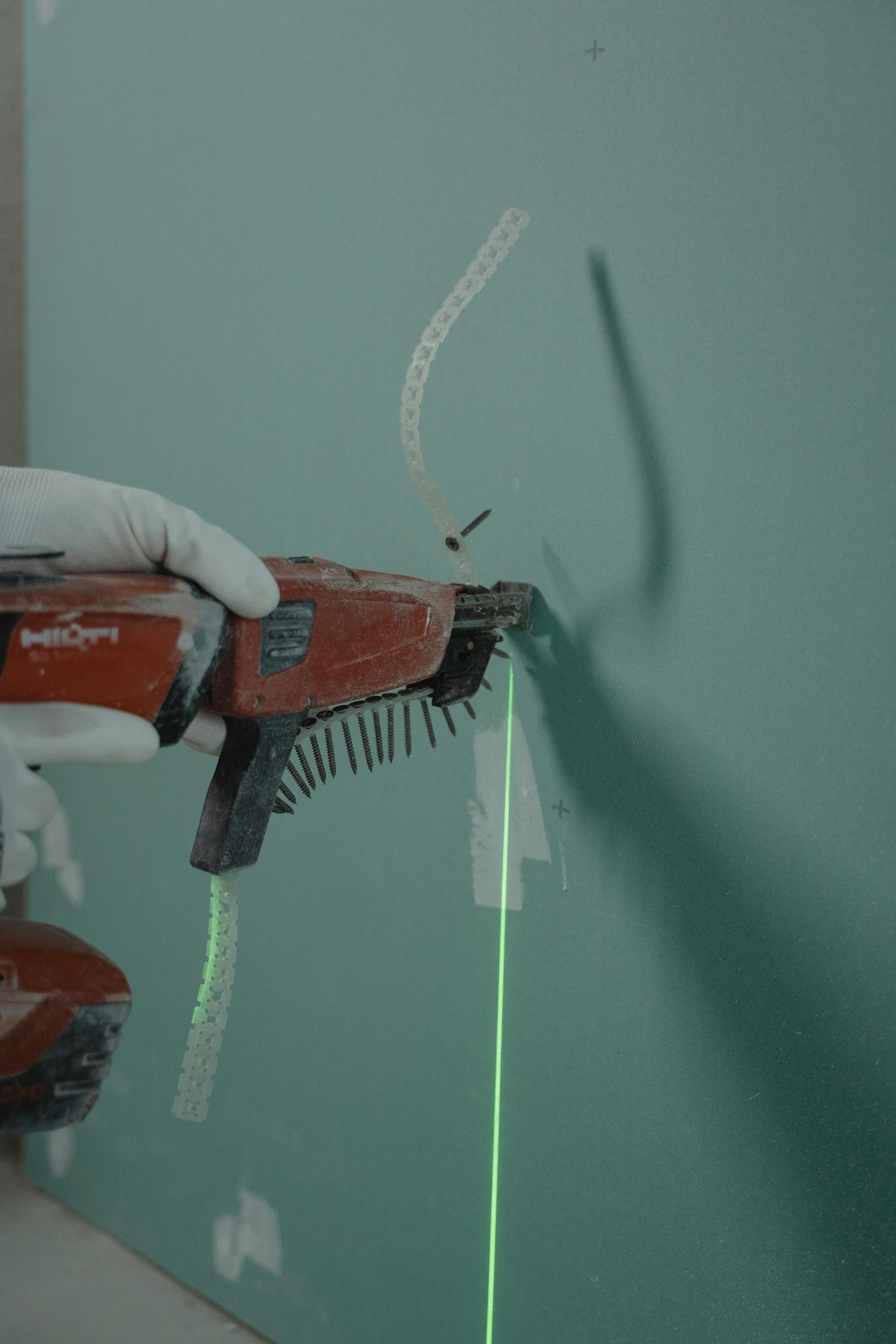
Installing drywall in places like bathrooms, kitchens, or basements presents unique challenges due to the high moisture levels found in these spaces. Standard drywall can quickly deteriorate when exposed to humidity, leading to mold growth, warping, and costly repairs. The best way to install drywall in high-humidity areas is to use moisture-resistant drywall (like green board or purple board), apply proper moisture barriers, ensure adequate ventilation, and use mold-resistant joint compounds and paints. This combination of specialized materials and techniques creates a system that can withstand moisture challenges. Before you start your next humid-area drywall project, it's worth understanding the specific materials and methods that will ensure a lasting installation. This guide covers everything you need to know about selecting the right drywall type, proper installation techniques, and maintenance tips for high-moisture environments. Types of Moisture-Resistant Drywall Green Board Green board is a type of drywall specifically designed for areas with moderate moisture exposure. It features a water-resistant green paper facing with a water-repellent core. Best for : Bathroom walls (not shower surrounds), kitchen backsplashes, laundry rooms Cost : 20-30% more than standard drywall Limitations : Not completely waterproof; not suitable for areas with direct water contact Purple Board Purple board offers enhanced moisture and mold resistance compared to green board. Its paper facing contains antimicrobial additives that help prevent mold growth. Best for : Bathrooms, basements, and areas prone to high humidity Cost : 30-40% more than standard drywall Benefits : Superior mold resistance, more durable than green board Cement Board Cement board is a non-paper-faced panel made from cement and reinforcing fibers. It's completely resistant to water damage and mold growth. Best for : Shower surrounds, tub enclosures, areas with direct water contact Cost : 2-3 times more than standard drywall Installation : Requires special cutting tools and fasteners Paperless Drywall This innovative option replaces paper facing with fiberglass mats, eliminating the organic material that mold feeds on. Best for : Areas with extreme humidity concerns Cost : 40-50% more than standard drywall Benefits : Excellent mold resistance, good durability Proper Installation Techniques for Humid Areas Preparing the Space Proper preparation is crucial for successful drywall installation in humid environments: Address moisture sources - Fix any leaks, condensation issues, or water intrusion problems Install vapor barriers - Apply 6-mil polyethylene sheeting on exterior walls Allow for air circulation - Ensure adequate space between drywall and exterior walls Check ventilation - Verify that exhaust fans, vents, and air conditioning systems are working properly Installation Best Practices Proper installation techniques help maximize the moisture resistance of your drywall system: Leave a gap - Keep drywall ¼ inch above floors to prevent wicking Use corrosion-resistant fasteners - Choose galvanized or stainless steel screws Apply mold-resistant joint compound - Standard compounds can promote mold growth Seal all seams thoroughly - Pay special attention to corners and edges Maintain minimum ½-inch gap between drywall and shower/tub surrounds Sealing and Finishing The finishing process is where many moisture-related problems can be prevented: Apply mold-resistant primer before painting Use moisture-resistant paint with antimicrobial additives Seal all cut edges with water-resistant caulk Install proper tile backing for tiled areas Consider waterproof membranes for extremely wet areas Common Mistakes to Avoid Using Standard Drywall Regular drywall quickly deteriorates in humid conditions. Always use moisture-resistant options in bathrooms, kitchens, and basements. Skipping Vapor Barriers Moisture can penetrate through walls and condense inside them. Vapor barriers prevent this migration and protect your drywall from hidden moisture. Improper Ventilation Without adequate airflow, even moisture-resistant drywall can develop mold. Ensure all humid spaces have proper ventilation systems. Using Regular Joint Compound Standard joint compounds contain organic materials that feed mold. Always use mold-resistant compounds in humid areas. Neglecting Proper Sealing Unsealed edges and seams allow moisture to penetrate. Take time to properly seal all potential entry points for moisture. Maintenance Tips for Longevity Regular Inspections Check for early signs of moisture problems: Discoloration Soft spots Bulging or warping Visible mold or mildew Controlling Humidity Use these strategies to manage moisture levels: Run exhaust fans during and after showers Use dehumidifiers in basements Maintain consistent temperature Fix leaks promptly Cleaning and Prevention Regular maintenance helps extend drywall life: Clean walls with mild antimicrobial cleaners Apply mold-inhibiting primers when repainting Keep air circulating with fans or HVAC systems Clear gutters and downspouts to prevent water intrusion When to Call a Professional While many drywall projects can be DIY successes, some situations call for professional expertise: Complex bathroom renovations Areas with serious water damage Mold remediation needs Projects requiring special waterproofing Large-scale basement finishing Professional contractors bring specialized knowledge about local building codes, moisture management techniques, and high-performance materials that ensure lasting results in challenging environments. Cost Considerations Project costs vary based on several factors. Here's what you can expect to pay for different drywall options: Regular drywall is the least expensive at $10-15 per 4'x8' sheet, but it's not suitable for humid areas. Green board costs about $15-20 per sheet, making it 20-30% more expensive than standard drywall but a good option for moderately humid spaces. Purple board runs $18-25 per sheet and offers better mold protection than green board. Paperless drywall costs $25-30 per sheet and provides excellent moisture resistance without paper facing. Cement board is the most expensive at $30-40 per sheet, but it's completely waterproof and ideal for shower surrounds. Additional costs to consider include moisture barriers ($0.50-$1 per square foot), mold-resistant joint compound (25-30% more than standard), corrosion-resistant fasteners (2-3 times the cost of standard screws), and special cutting tools for cement board ($30-100). Ready for Your High-Humidity Drywall Project? Don't let moisture concerns stop your renovation plans! With the right materials and techniques, you can create beautiful, durable walls even in the most challenging environments. For professional-quality results that stand the test of time, trust the experts at VX2 Contracting . Our team specializes in moisture-resistant drywall installation for bathrooms, kitchens, basements, and more throughout South Central PA including Harrisburg, Hershey, Gettysburg, Lancaster, York, Reading, and Chambersburg. Contact VX2 Contracting today for a free consultation and discover how our expertise in drywall, framing, steel studs, acoustic ceilings, and bathroom and kitchen remodeling can transform your space into something both beautiful and built to last.